Follow the Fiber: Why the Story of Your Fabric Matters More Than the Label
Most of us have learned to check the label. We know the difference between cotton and polyester, maybe we've started paying attention to linen. But the label only tells you what something is made of—not where it came from, how it was processed, or what any of that means for how it's going to wear over time.
For anyone investing in artisanal or handcrafted fashion, understanding textile origins isn't a niche obsession. It's one of the most practical things you can learn.
The Difference Between a Fabric and a Material
Here's a distinction worth sitting with: fabric is the finished product. Material is everything that came before it.
When a designer chooses a specific linen—say, one grown in Belgium's Lys River valley, where the soil and climate produce a longer, stronger flax fiber—they're not just selecting a texture. They're choosing a history. That linen will behave differently from linen grown elsewhere and processed with shortcuts. It'll soften more gracefully. It'll hold up to repeated washing without going limp. It'll have a particular drape that makes the finished garment move the way the designer intended.
The material carries all of that forward into the final piece. The fabric is just what you see.
Linen: Where It Grows Changes Everything
Linen is having a genuine moment in American fashion, and for good reason—it's breathable, gets better with age, and has an honest, unpolished quality that suits the current appetite for authenticity. But not all linen is equal, and the difference starts in the field.
Flax—the plant linen comes from—is sensitive to its environment. Cool, damp climates with mineral-rich soil produce the longest, most uniform fibers. That translates directly into a stronger, more refined fabric. Flax grown in less ideal conditions produces shorter fibers that are more likely to pill, fray, or lose their structure after washing.
Beyond where it's grown, retting—the process of breaking down the flax plant to release the fibers—matters enormously. Water-retted flax, left to soak in rivers or pools, produces a finer, more lustrous fiber than dew-retted or chemically processed alternatives. It's slower and more labor-intensive, which is why it's become rare. But when an artisanal designer specifies water-retted linen, they're making a choice that you'll feel every time you put the piece on.
Wool: Processing Is as Important as Origin
Wool is one of the most misunderstood textiles in everyday fashion. People associate it with itching and bulk, which is usually a processing problem, not an inherent quality of the fiber.
Merino wool from Patagonia or New Zealand's South Island is genuinely different from generic wool. The fiber diameter—measured in microns—determines whether wool feels soft or scratchy against skin. Fine merino can sit at 17-19 microns, which is softer than most people expect wool to be. The way it's scoured (cleaned), combed, and spun then determines whether the finished fabric has loft, warmth, and resilience, or ends up flat and prone to pilling.
When independent designers talk about sourcing their wool from specific farms or specific mills, they're not being precious. They're managing a supply chain that directly determines the sensory experience of the finished piece. A hand-knit sweater made from traceable, single-origin merino from a small New Zealand station is a categorically different object from a sweater labeled "merino blend" with no further information.
Cotton: The Complexity Behind the Familiar
Cotton is so ubiquitous that most people have stopped thinking of it as something that varies. It does, dramatically.
Egyptian and Pima cotton produce extra-long staple fibers—longer threads that can be spun into finer, stronger yarn. That's why a well-made Pima cotton tee feels silkier and holds its shape through washing in a way that standard cotton doesn't. The thread count matters, but so does the fiber length before it ever becomes thread.
Organic certification is another variable worth understanding. Organic cotton farming prohibits synthetic pesticides and fertilizers, which matters both environmentally and in terms of what ends up in the finished fabric. Skin-sensitive wearers often find organically processed cotton noticeably different—not because of marketing, but because the chemical residue load is genuinely lower.
For artisanal garments where the fabric is doing most of the work—an unlined shirt, a simple wrap dress, a classic tee—cotton quality is the whole story.
How to Read What a Designer Is Telling You
One of the clearest signals of a serious independent designer is how specifically they talk about their materials. Vague language—"quality fabrics," "premium materials"—tells you nothing. Specific language tells you everything.
Look for:
- Named fiber origins ("Belgian linen," "Rambouillet wool from Montana," "Pima cotton")
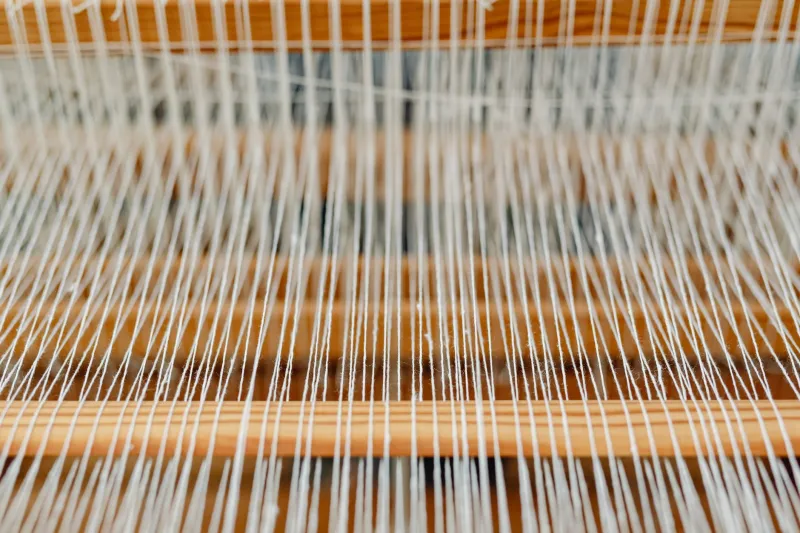
- Processing details ("naturally dyed," "stone-washed," "hand-loomed")
- Mill or farm references, even partial ones
- Honest descriptions of how the fabric will behave over time
A designer who tells you their linen will wrinkle, their wool will pill slightly before softening, or their natural dyes will fade gently with sun exposure isn't warning you off—they're telling you they know their material intimately and they're not trying to hide its nature.
That transparency is a quality signal in itself.
The Sensory Argument for Provenance
There's a practical case for understanding textile origins, and then there's the more personal one.
Clothing is the most intimate object category in most people's lives. It's against your skin all day. It absorbs your environment and your movement. It reflects back something about who you are, or who you're trying to be.
When a garment is made from material with a real, traceable story—fiber grown in a specific place, processed with care, woven or knitted by hands that understood what they were working with—that story doesn't just exist in the background. It's present in every wear. It's in the way the fabric softens over time instead of degrading. It's in the warmth that feels different from synthetic warmth. It's in the texture that gets more interesting as it ages.
That's what artisanal fashion is really selling when it talks about quality. Not a price point or a prestige marker, but a physical experience of wearing something that was made with full attention to what it was made from.
Follow the fiber far enough, and you end up with a completely different understanding of what your clothes are—and what they're worth keeping.