From Blue Ridge Quilts to Desert Leather: Mapping America's Regional Craft Signatures
Photo: David Adam Kess, CC BY-SA 3.0, via Wikimedia Commons
Ask someone to picture 'American fashion' and they'll usually conjure denim and workwear — a single, flattened image. But spend any time in the country's independent craft scenes and you'll notice something different: geography matters. Materials, climate, and heritage have shaped distinct design languages in different corners of the map. Here's a field guide to five of them.
Appalachia: The Quilt as Language
In the mountain communities of Kentucky, Tennessee, and western North Carolina, quilting was never just a hobby — it was record-keeping, resourcefulness, and art all at once. Today's Appalachian makers are translating that vocabulary into wearable form: patchwork jackets built from salvaged fabric, quilted vests with generations-old patterns, and piecework that treats every seam as a small act of storytelling.
Organizations like the Appalachian Craft Center network and programs through Arrowmont School of Arts and Crafts in Gatlinburg have kept these techniques alive, and a younger wave of designers is now reworking them for everyday wardrobes. Look for honest imperfection, fed fabric, and geometry that comes from tradition rather than trend.
The Southwest: Leather, Silver, and Sun-Bleached Palettes
From Santa Fe to Tucson, the craft identity is tactile and sun-cured. Native and Hispano jewelry traditions — stamped silver, turquoise, hand-drawn bezels — sit alongside a thriving leatherwork community producing tooled belts, hand-stitched bags, and boots built to be resoled rather than replaced.
Cities like Santa Fe have long supported maker economies through markets and galleries, and the region's palette — clay red, sage, bone, dusty turquoise — shows up in nearly everything. If you buy here, buy informed: seek out Native artists directly and support certified authentic work rather than 'Southwestern-style' imports.
New England: Wool, Weaving, and Yankee Precision
The Northeast's signature is structure. Maine's mill towns and Vermont's small farms feed a wool culture that runs from heavyweight flannels to finely woven scarves, and a cluster of weavers, knitters, and tailors keeps the region's textile infrastructure surprisingly intact. Harrisville, New Hampshire, still produces yarn on equipment that's been running for over a century.
The New England aesthetic is restrained — navy, oatmeal, forest green — but the craftsmanship is anything but quiet. A handwoven coat from this region is engineered like a piece of furniture.
The Pacific Northwest: Dye Pots and Moss Tones
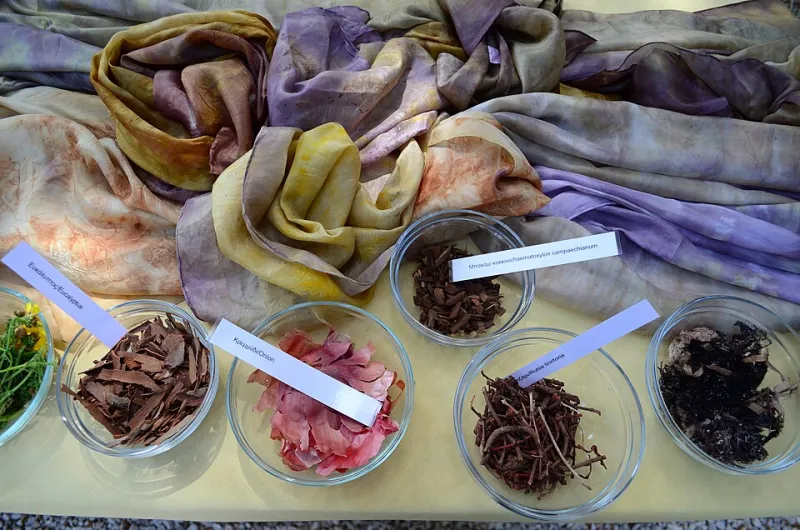
Seattle and Portland have become ground zero for natural dyeing in the US. The climate that grows ferns also grows indigo, madder, and oak gall, and a dense community of dyers, small-batch weavers, and slow-fashion studios has built itself around them. Expect plant-derived color — deep blues, earthy ochres, moss greens — and an ethos heavy on transparency and compostable materials.
The PNW scene also leans collaborative: dye workshops, fiber festivals like Oregon Flock & Fiber, and studio tours make it one of the easiest regions for newcomers to engage with directly.
The South: Indigo, Heirloom Cloth, and Hand-Sewn Heritage
The Lowcountry of South Carolina and Georgia carries a complicated and profound textile history: indigo cultivation and the enslaved artisans whose knowledge built it. Today, Black makers and historians are reclaiming that legacy — growing indigo, reviving West African-influenced techniques, and producing heirloom cloth with full acknowledgment of where these traditions come from.
Alongside this, a broader Southern craft network — from Alabama's quilt collectives like the celebrated Gee's Bend tradition to Memphis and New Orleans maker spaces — produces work that's bold, improvisational, and rooted in community.
Why Geography Still Matters
You can buy a mass-produced 'boho' dress anywhere. But a quilted jacket from a North Carolina studio, a naturally dyed shirt from Portland, or a tooled leather belt from a Tucson workshop carries its zip code in its seams. Regional craft is fashion's answer to terroir — and America's terroir is more varied than we give it credit for.
The next time you're shopping for something original, start with a map. The story might be closer to home than you think.