Chasing the Booth: A Road Map to America's Best Maker Markets and Craft Fairs
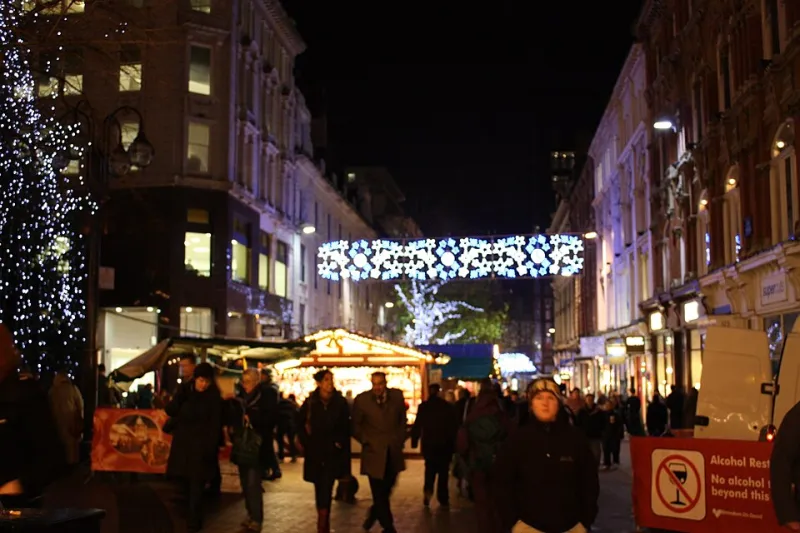
Photo: Anneli Salo, CC BY-SA 3.0, via Wikimedia Commons
There's a particular electricity to a good craft fair that no website can replicate. The maker is standing right there, hands still stained from the last dye batch, ready to tell you why that jacket took eleven hours to finish. If you've only ever bought fashion through a screen, the maker market is where original design gets loud.
Here's our state-hopping guide to the fairs worth building a trip around — plus how to work a booth like a pro.
The Big Names
Renegade Craft — Chicago (and touring). The granddaddy of indie maker markets. What started in Chicago's Wicker Park now pops up in cities across the country, but the original has a special energy: hundreds of independent artists, a strong contingent of small-batch apparel and accessory designers, and a crowd that came to buy, not just browse. Expect to find screen-printed textiles alongside hand-forged jewelry. Go early for the best selection.
American Craft Show — Baltimore. Run by the American Craft Council, this is where craft becomes fine art. The wearable art section is serious business — sculptural pieces, handwoven garments, and jewelry that belongs in a gallery. Bring a bigger budget and a slower pace.
The Regional Gems
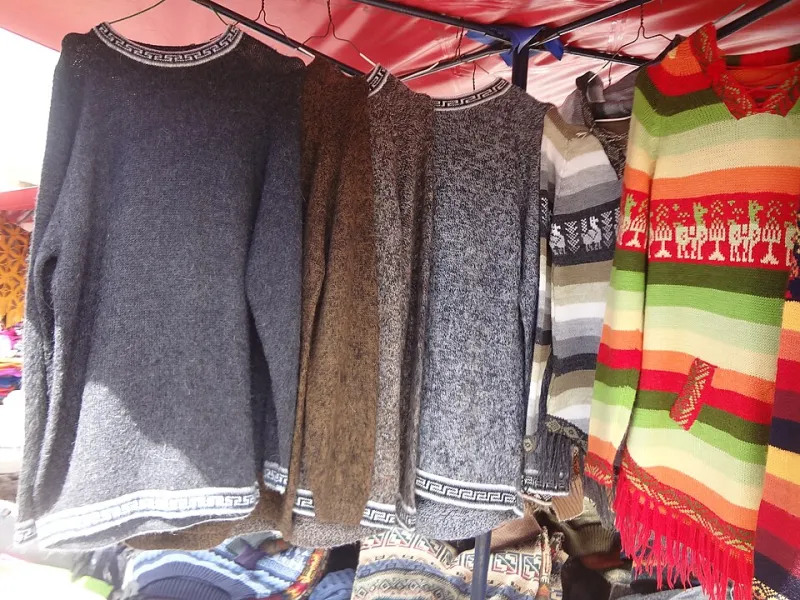
Vermont Sheep & Wool Festival — Tunbridge. New England's fiber scene at its coziest. Local shepherds, spinners, and knitters sell yarn and finished garments made from fleece that may have come from a farm you can see from the booth. Watch for live shearing demos and dye workshops.
Texas Fibershed events and Hill Country markets. Texas has a thriving natural-fiber community — alpaca ranchers, leather workers, and indigo growers showing what 'local textile' means at scale. The fall markets around Austin and the Hill Country are the sweet spot, weather-wise.
Pacific Northwest pop-ups — Portland & Seattle. The PNW runs on maker markets. Look for holiday-season bazaars and summer street fairs featuring small-batch apparel, hand-dyed silk, and leather goods with a distinctly moody, forest-floor palette.
Southern maker markets — Asheville, Nashville, and beyond. Asheville's craft scene punches way above its size, with quilting traditions, natural dyeing, and leatherwork all within a few blocks of each other. Nashville's maker fairs lean bold — western-inspired leather, hand-tooled belts, and denim with real heritage behind it.
How to Shop a Booth Like You Belong There
A few insider moves that change the whole experience:
- Ask about process, not price. 'How is this made?' opens a conversation; 'How much?' closes one. Makers light up when someone's genuinely curious about the technique.
- Handle the work. Most makers want you to touch the garments — feel the weight of the fabric, try the piece on. Handmade clothing reads completely different on the body than on a hanger.
- Buy something small if you're not ready for big. A pair of earrings or a scarf supports the maker, gets you on their mailing list, and starts a relationship for a future commission.
- Get the maker's card and follow up. The best one-of-one pieces are often made after the fair, when a designer knows what you're looking for.
Before You Commission
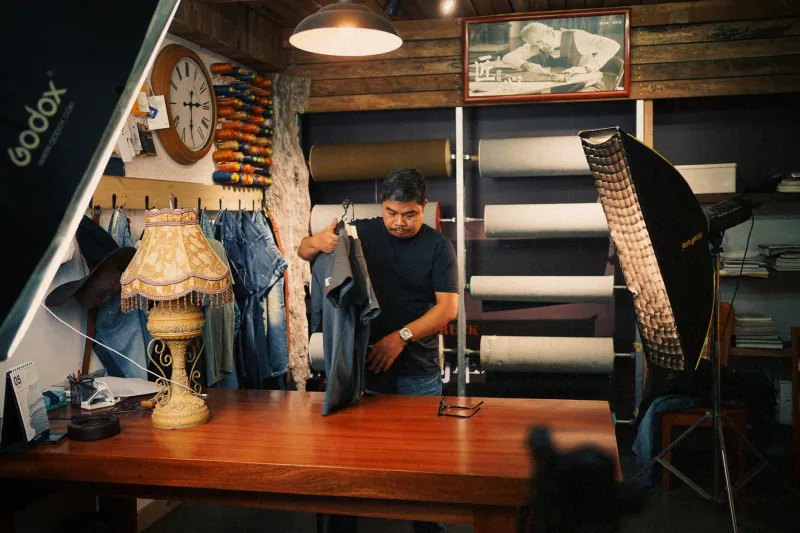
If you're eyeing a custom piece, the fair is your audition. Watch how the maker talks about past work. Ask to see photos of commissions they've completed. Be honest about your budget and timeline — good makers will tell you straight whether they can deliver, and when.
And here's the tip seasoned fair-goers swear by: come back on day two. Makers remember the people who returned. That's how commissions — and friendships — start.
Wear the Map
Every region of this country has hands making things worth wearing. The fairs are where you meet them. Bring cash, wear comfortable shoes, and leave room in your bag — because the piece you didn't plan for is usually the one you'll wear for a decade.