Drop Culture Meets Craft: Why Limited Artisanal Collections Are Making the Seasonal Trend Cycle Obsolete
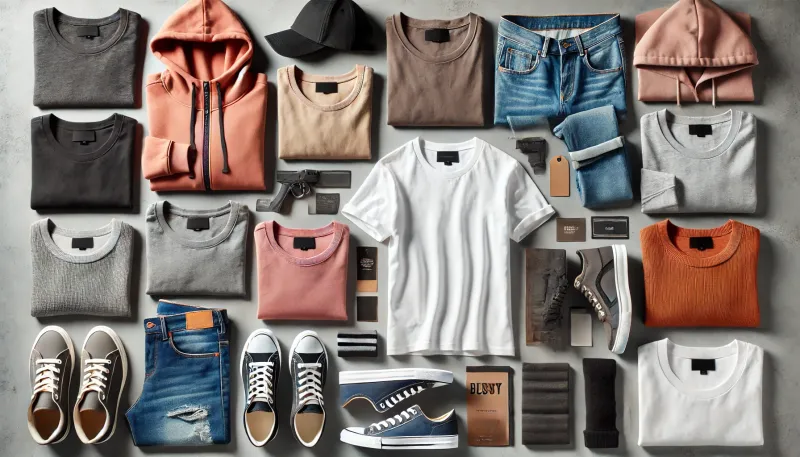
Photo: limited edition artisan clothing collection flat lay unique handmade garments, via www.ninghowapparel.com
For decades, the fashion industry ran on a rhythm that had nothing to do with how real people actually live. Two major seasons. A relentless churn of trends. Racks cleared out before the weather even matched the clothes on them. It was a system designed to manufacture desire and keep the buying cycle spinning — not to help anyone find something they'd actually love for years.
Something is breaking that rhythm. And it's coming from the most unexpected place: small, artisanal brands dropping tightly curated, limited-edition collections whenever the creative moment feels right.
A Different Kind of Calendar
The traditional fashion calendar exists to serve retailers, not customers. It tells stores when to buy, when to discount, and when to clear the floor for the next wave. Designers have long complained that it leaves almost no room for actual creative development — you're already selling a collection before you've finished designing the next one.
Artisanal brands are opting out of that cycle entirely. Instead of anchoring releases to a predetermined schedule, they're launching collections when the work is ready. When a particular obsession — a painting, a landscape, a feeling — has been fully explored and translated into wearable form. The timeline is set by creative logic, not retail logistics.
This shift might sound small, but its implications run deep. When a collection isn't tied to a season, it isn't automatically obsolete the moment the next one drops. The pieces are designed to exist outside of trend time entirely — which means they can live in your wardrobe for years without feeling dated.
Scarcity That Actually Means Something
Limited-edition fashion isn't a new concept. Luxury brands have used exclusivity as a selling point forever. But there's a meaningful difference between manufactured scarcity — artificially restricting supply to inflate perceived value — and genuine scarcity that comes from how the work is made.
When a small-batch artisan produces 30 hand-printed jackets because that's how many they can make without compromising the quality, that limitation is real. It's not a marketing tactic. It's a natural byproduct of thoughtful, labor-intensive production. And for the customer who gets one of those 30 pieces, that context matters. They're not just buying something rare — they're buying something that required genuine care to bring into the world.
This kind of scarcity creates a different relationship between the wearer and the garment. You're not chasing a trend that will feel tired in six months. You're acquiring something with a specific origin, a specific story, and a specific moment of creation that can never be exactly repeated.
Fashion Collectors Are Paying Attention
Something interesting is happening at the intersection of fashion and art collecting. A growing number of American consumers — particularly those in their 30s and 40s who've been around long enough to watch a few trend cycles come and go — are starting to approach artisanal fashion the way they'd approach buying a limited-edition print or a piece from an emerging artist.
They're thinking about provenance. About what a piece will look like in five years, or ten. About whether the maker has a body of work worth following. These aren't impulse purchases — they're considered acquisitions. And the limited-edition model feeds directly into that mindset.
When a collection is small and won't be restocked, the decision to buy carries a different kind of weight. You're not grabbing something because it's convenient or because it's on sale. You're making a choice to bring a specific piece of someone's creative vision into your life. That intentionality tends to translate into garments that get worn more, cared for better, and kept longer.
The Environmental Logic
There's a sustainability argument embedded in all of this that's worth spelling out. The traditional seasonal model is one of the primary drivers of fashion's waste problem. Overproduction, unsold inventory, rapid obsolescence — these aren't bugs in the system. They're features of a model built around volume.
Limited collections flip that logic. When you produce less, you waste less. When pieces are designed to transcend trend cycles, they don't end up in a landfill after two seasons. When customers treat their clothes as investments rather than disposables, the whole lifecycle of the garment changes.
For the environmentally conscious shopper — and that's a genuinely large and growing segment of the US market — this model isn't just appealing. It's the only one that makes real sense. Buying less, buying better, and buying things that are built to last isn't a sacrifice. It's a smarter way to build a wardrobe.
The Emotional Pull of the Drop
Here's the paradox at the heart of limited-edition artisanal fashion: by slowing down, it actually creates more excitement. When a beloved maker announces a new collection, there's genuine anticipation. People follow the creative process. They watch the work develop. By the time the drop happens, the community around the brand is already emotionally invested.
That's a fundamentally different energy than scrolling through a retailer's new arrivals on a random Tuesday. It's closer to the feeling of an album release or an art show opening — a cultural moment, even a small one, that means something to the people who care about it.
At AF Originals, we think that's exactly how fashion should feel. Not a conveyor belt of newness, but a series of meaningful encounters with original work. Pieces worth waiting for. Collections worth remembering. A closet built around things that actually matter to you — not things that were simply available when you happened to be shopping.
The seasonal trend cycle had a good long run. But the future of fashion looks a lot more like art. And that's a future worth dressing for.