The Logbook Wardrobe: Why Americans Are Documenting Their Clothes Like Museum Pieces
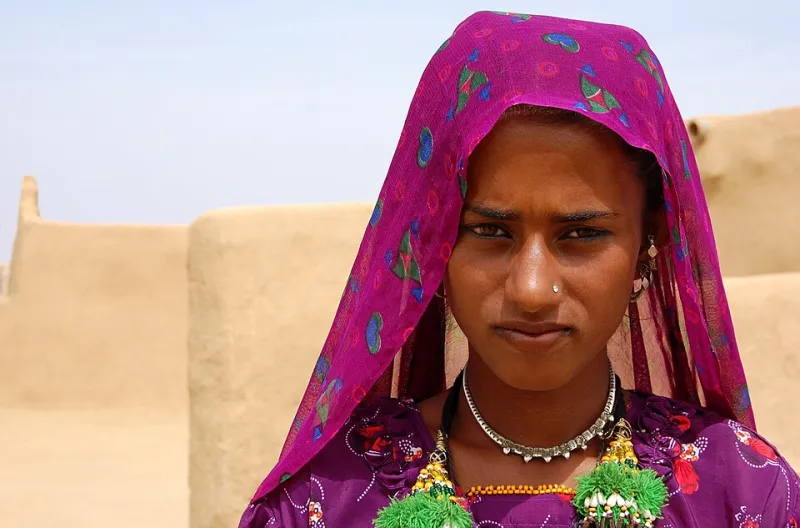
Photo: Paulrudd, CC BY-SA 3.0, via Wikimedia Commons
Somewhere in Portland, a woman keeps a spreadsheet of every garment she owns. Each row includes the maker's name, the date of purchase, a photo, the fabric content, and a running tally of how many times it's been worn. Somewhere in Brooklyn, a man photographs every one-of-one jacket he buys against the same white wall, building a visual timeline that now spans nine years.
Neither of them works in fashion. Both of them will tell you the same thing: once you start documenting your clothes, you stop treating them like disposable stuff.
The Rise of the Wardrobe Archive
Call it wardrobe archiving, call it the logbook closet — the practice is simple. You treat your clothing the way an art collector treats an acquisition: photographed, catalogued, and tracked over time. A growing number of Americans are doing exactly that, armed with everything from spreadsheet templates to dedicated closet apps that log wear counts and care schedules.
The tools vary. Some people swear by a shared Google Sheet with tabs for 'Provenance,' 'Repairs,' and 'Wish List.' Others use apps that let you build a digital closet, plan outfits, and see hard data on what you actually reach for. A surprising number keep paper journals — a page per piece, with room for notes on alterations, mending, and the occasional coffee stain that became part of the story.
What they all share is a shift in posture. A garment stops being an impulse purchase and becomes an acquisition with a record.
What Goes in the Archive
Ask around and you'll find a loose consensus on the essentials:
- The maker. Not the brand — the actual hands. Who dyed the fabric, who cut the pattern, who stitched the hem.
- The origin story. Where you found it, what the designer said when you met them, why you chose it over everything else on the table.
- Wear counts. A tally, updated as often or as rarely as you like. It's oddly revealing. The piece you think is your favorite and the piece you actually live in are sometimes different garments.
- Care history. Every wash, every repair, every re-dye. Over time this becomes a biography of the object — and, honestly, of you.
- Photos. One at day one, then periodically. Handmade pieces evolve. Indigo fades, leather darkens, linen softens. The archive captures the aging you'd otherwise never notice.
Why Bother? The Case for the Catalogue
The practical arguments are real. A wear count is the most honest mirror in fashion — it tells you what your money actually bought you in cost-per-wear terms, and it makes future purchases smarter. Care records extend the life of delicate natural fibers. And if you ever want to resell or pass down a one-of-one piece, provenance documentation is gold.
But the people deep into this practice rarely cite spreadsheets as the payoff. They talk about something softer: attention.
When you log a garment, you look at it. You notice the way the weft slubs in the handwoven section near the hem. You remember the market where you bought it, the rain that day, the conversation with the maker about why she switched to organic cotton. The archive turns a closet full of objects into a shelf full of relationships.
There's a reason museums do this. Documentation is a form of respect. It says: this object mattered enough to record.
Making It a Ritual, Not a Chore
The archivists who stick with it all say the same thing: keep it light. A ritual that takes twenty minutes becomes a guilt object in a month. Some do a quarterly 'archive day' — an hour with the good lamp, photographing new arrivals and updating tallies. Others log a piece the evening they first wear it, while the story is fresh.
A simple starter version:
- One notebook or one spreadsheet tab. Nothing elaborate.
- One photo per piece, decent light, plain background.
- Three fields to start: maker, date, one sentence about why you bought it.
- Add a wear tally only for the pieces you care about most.
That's it. The archive grows the way a good wardrobe does — slowly, deliberately, one meaningful piece at a time.
Wearing the Archive
Here's the part nobody expects: once you've documented your clothes, you wear them differently. A jacket with a logged history of forty wears and two repairs isn't just outerwear anymore. It's a record you can put on. You start choosing pieces because they'll make a good entry — because the maker is local, because the fabric has a story, because in ten years the fading will be yours.
That's the quiet revolution in the logbook closet. It doesn't ask you to buy less, exactly. It asks you to know more about what you own — and knowing, it turns out, is the whole game.